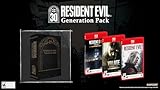


Capcom's new Resident Evil Generation Pack is the latest Switch 2 release to ship on Game-key Cards, and it may have something to do with the console's slower ROM cartridges.

Capcom is a company that prioritizes bulk volume sales--the publisher wants to eventually sell 100 million games a year. The latest Resident Evil trilogy pack reflects this model by including three mainline titles in one bundle: RE7, RE Village, and the upcoming Resident Evil Requiem. The goal is to get players caught up on the Resident Evil series while collecting a Requiem pre-order, netting an extra $20 for the catalog RE games (which is typically what they can cost on sale anyway). It's a great deal for Switch 2 players that have yet to play the modern Resident Evil games.
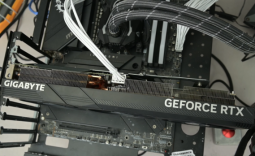
Popular Now: Even the RTX 5090 can't hit 60FPS in Control Resonant without upscalingThere are just two catches with the RE Generation Pack: All three games ship on Game-key cards and not as full games on ROM carts, and the other caveat is that the deal is limited and time-sensitive. Capcom confirms that the bundle will be discontinued when its fiscal year ends on March 31, 2026.
The Switch 2's Game-key Cards form factor has caught flak among gaming enthusiasts, primarily because the cartridges are empty shells without any game data on them and only serve as a physical authentication key for digital downloads.
However, the tech is favorable for developers for two reasons: one is the Game-key Cards are much cheaper to produce, secure, and ship games onto, and two, the Switch 2's game ROM cartridges aren't very fast. While the Switch 2 supports microSD Express for data transfer rates that exceed 2GB/sec, the actual cards that the games ship on do not have these same speeds. As a result, there's a data bottleneck situation happening, which causes problems--the Switch 2's Game Cards are simply too slow and can't blast data into the console's RAM fast enough to developers' liking.
We've seen multiple game developers speak out on the Switch 2's slower cartridges, and why Game-key Cards are being chosen for more than just monetary concerns.
Final Fantasy 7 Rebirth game director Naoki Hamaguchi goes so far to say that some games probably wouldn't come to the Switch 2 without Game-key Cards:
"It's an option that not everyone needs to use, but it's another way to make the games available to fans, and I think we could miss opportunities if we didn't have that option, because there might be people who wouldn't be able to play the game otherwise."