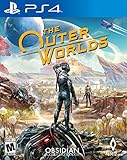
The Outer Worlds 2 is the first Xbox game to receive the new $80 price tag, sparking backlash from many gamers upset about the decision to increase Xbox game prices. The director of the game has now responded to those complaints.

In a recent interview with GamesRadar, Brandon Adler, the director of The Outer Worlds 2 development studio, Obsidian, explained that it isn't up to Obsidian Entertainment to determine how much they sell their game for, as they are just the development studio. That decision is made by the publisher, which in this case is Xbox Game Studios. Adler said that any complaints about the price of The Outer Worlds 2 should be aimed at Xbox, not Obsidian.
Microsoft previously announced it would begin charging $80 for games in 2025, citing the current economic climate, rising development costs, inflation, and the value their games offer. Notably, Nintendo was the first to begin charging $80 for its games, with Mario Kart World being the first title with the new price tag. Shortly after Nintendo's announcement of the new price, Xbox announced its price hike, which was accompanied by a price increase for Xbox consoles.
"We're a game developer. We love to make games. We don't set the prices for our games," he said in an interview with GamesRadar. "Like, personally, as a game developer, I wish everybody could play my game, because that's what I want out of this whole thing. But for the reasons and so like, why the $79.99 price point, you'd have to honestly talk to the Xbox folks."
Alder's response to the criticism about the price of The Outer Worlds 2 is similar to statements issued by Borderlands studio head Randy Pitchford, who infamously said that real fans of Borderlands would find a way to pay for the game if its price was increased. That statement was eventually further elaborated on by Pitchford, who said pricing is ultimately out of his hands and is up to the publisher, which in the case of Borderlands was 2K Games.
As for how Xbox sees this whole situation, Microsoft Game CEO Phil Spencer has openly said he is in the business of making as much money as possible for Microsoft.
"We're accountable to Microsoft for running a good business--a healthy business that continues to grow at both top line and bottom line. That's kind of a foundation for us," said Spencer