












In a new blog post, NASA has detailed the results yielded from the Juno spacecraft's observations of the solar system's largest planet.
In the post, the space agency states that its Juno probe that is currently orbiting the planet Jupiter has provided insight into the inner workings of the gas giant's atmosphere. From the observations, researchers were able to derive the first 3D map of Jupiter's atmosphere, the results have been published throughout several papers in the two recent issues of the Journal of Geophysical Research: Planets and Geophysical Research Letters.
Scott Bolton, the principal investigator of Juno from the Southwest Research Institute in San Antonio and lead author of the Journal Science paper that explores the depth of Jupiter's vortices, said, "Previously, Juno surprised us with hints that phenomena in Jupiter's atmosphere went deeper than expected. Now, we're starting to put all these individual pieces together and getting our first real understanding of how Jupiter's beautiful and violent atmosphere works - in 3D."
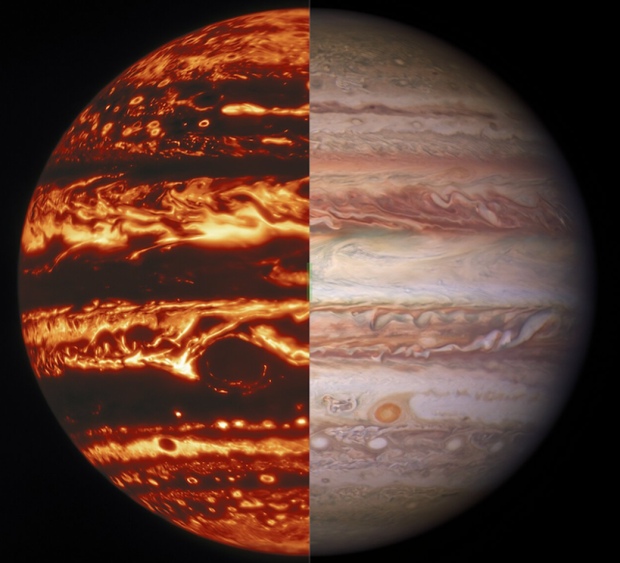
Using Juno's instruments, the researchers were able to look deep into these violent vortex storms that are seen chaotically tumbling through Jupiter's atmosphere. Jupiter's most iconic feature, the Great Red Spot, was one of the violent vortex storms that were inspected, and researchers discovered that "these storms are far taller than expected, with some extending 60 miles (100 kilometers) below the cloud tops and others, including the Great Red Spot, extending over 200 miles (350 kilometers)", wrote NASA.
Adding, "This surprise discovery demonstrates that the vortices cover regions beyond those where water condenses and clouds form, below the depth where sunlight warms the atmosphere."
If you are interested in reading more about this topic, check out this link here.


 Scientists squint their eyes concerningly at Earth-sized shadows appearing on Jupiter's surface
 NASA confirms detection of carbon, oxygen, and iron within nearby planet atmospheres
 Saturn may have just taken a historic hit - and someone caught it on camera
 NASA new space telescope is now mapping the entire sky in 3D
 NASA scientists discover a 'highway' beneath the surface of Mars
 Twitch opts streamers into gen AI training by default, faces harsh backlash
 Sean Murray still plays the 2016 launch version of No Man's Sky
 China's YMTC has climbed to third place in global NAND flash shipments
 $100 GTA 6 version makes up 89% of pre-orders, analysts estimate
 HWiNFO's latest update quietly confirms Intel is working on Razor Lake-AX
 Nintendo puts Switch 2 price increase warnings on store demo kiosks ahead of September 1 hike
 GIGABYTE launches two new B450 motherboards as demand for AM4 stays high in 2026
 Microsoft finally makes up its mind and unifies Copilot features into one big app
 PS5 suffers from severe overheating after liquid metal eats into the heatsink
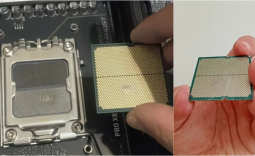 AMD Ryzen 7 7800X3D CPU burns and swells even after using AMD's updated BIOS
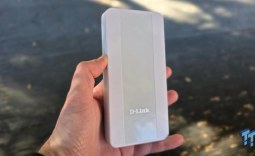 D-Link F518 5G Wi‑Fi 6 AX1800 Mobile Hotspot Review: All-Day Mobile Hotspot
 Bose Lifestyle Ultra Speaker Review - Impressively Detailed Room-Filling Sound
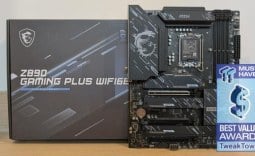 MSI Z890 Gaming Plus WIFI6E Review - Z890 for under $200
 Mortal Kombat (1995) 4K Ultra HD Blu-ray Review
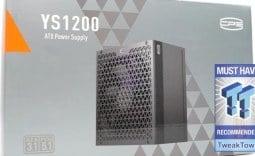 CPS PCCOOLER YS1200 ATX 3.1 80 PLUS Gold PSU Review
 ASRock X870E Taichi White Review: a premium AM5 motherboard with 10G LAN and WiFi 7
 Asetek Initium Pedal Modular Upgrades Review
 Thinkware U3000 Pro Review - Smart Dashcam with Wi-Fi quirks
 Montech TG3 Mid-Tower Chassis Review
 ASUS ROG Strix X870E-A Gaming WiFI7 Neo Review - A New Enticing Option
 I ditched the Windows 11 context menu for this open-source tool, and here's why
 Windows 11 may be encrypting your drive already, and I checked where my recovery key went
 GIGABYTE's 40 Days of INFINITY celebrates 40 Years of Innovation with stunning GeForce RTX graphics cards and rewards
 I swapped File Explorer for this free file manager and finally got the layout I wanted
 How to tell if someone has been using your Windows PC without your permission
 6 Task Manager tips for troubleshooting Windows performance problems
 ASUS ROG's 20th Anniversary Line-up of Premium PC Gaming Gear has Arrived - Here's Everything You Need to Know
 Six File Explorer tips every Windows user should know
 I switched my PC to encrypted DNS in Windows 11, and browsing felt more private
 Printer Not Working in Windows? How to fix detection, print queues and drivers