













Sony's plan to phase out physical disc production for new PlayStation games by January 2028 has triggered a massive gamer revolt, with a Change.org petition hitting 120,000 signatures in just four days, and that comes after a separate petition held by tech experts Digital Foundry, which received 45,000 signatures calling for Sony to reconsider its decision.

The "Don't Kill the Disc" petition, created by the Canadian retail platform PnP Games, focuses on Sony's phasing out of physical PlayStation disc games beginning January 2028. The petition focuses its concerns on ownership, pricing, and the long-term viability of digital-only game sales.
Petitioners argue that discs represent tangible ownership, while digital codes offer nothing more than a revocable license and a complete lack of actual ownership of the title purchased. The petition points to instances in which people have purchased digital copies of movies from platforms and then had those movies already purchased deleted from their libraries.

The backlash reflects the strain the gaming industry is currently experiencing as hardware prices rise, with companies passing those costs on to gamers, and now news that physical discs that represent real ownership are on their way out.
While this transition to entirely digital is undeniably inevitable, just look at the PC market; many believe Sony is pushing too fast and disregarding consumer choice and the livelihoods of retail and secondhand markets.

Frequently Asked Questions
TweakBot answers common questions about this news using TweakTown's own coverage from this page and related content from our archive. Tap a question to reveal the answer, or type your own below.
How might the disc phaseout impact pricing and availability of PlayStation games compared to current digital-only releases?
Have a question not listed here? Ask below and TweakBot will answer it.

The petition also called out a promise Sony made in 2013, in which the company assured PlayStation players that they could "keep their games forever." Sony has yet to respond to the recent backlash, and it remains unclear whether these petitions will be enough to persuade the company to reconsider its decision.


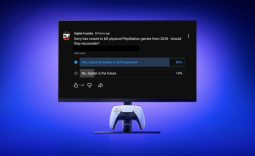 45,000 gamers urge Sony to reconsider killing physical PlayStation games
 PlayStation games out before 2028 can still get disc reprints
 PlayStation 6 soft confirmed to launch without physical disc drive
 PlayStation ending physical game discs in 2028, Sony officially confirms
 PlayStation's disc-less future didn't happen overnight, strategy was planned for 'some time'
 Samsung's 2026 profit to surpass its entire 40-year cumulative earnings
 First 'agentic ransomware' run entirely by a large language model discovered
 Epic Games settles court case against ex-contractor over Fortnite leaks
 Cyberpunk 2077 hits 100,000 concurrent players on Steam, highest since 2023
 KIOXIA begins sampling 10th-generation BiCS FLASH technology, more efficient and with an impressive 332 layers
 Razer unveils Wuthering Waves collection with a custom keyboard, mouse, and premium gaming chair
 Intel prepping Ryzen X3D rivals with new 22-core Nova Lake-S CPUs with 108MB of cache for PC gaming
 Lenovo starts shipping laptops with Chinese-made YMTC SSDs due to skyrocketing NAND Flash prices
 Gen Z would like esports and professional gaming taught in school, study finds
 OpenAI sued after man says ChatGPT fed his religious delusions before suicide attempt
 GIGABYTE X870E Aero X3D Dark Wood Review - A woody goody
 The Super Mario Galaxy Movie (2026) 4K Ultra HD Blu-ray Review
 KTC H49S66 5K2K (5120x1440) 49-inch 180Hz Gaming Monitor Review
 HighPoint Rocket 1604L Gen5 x16 NVMe Software RAID AIC Review: half the price with full 59 GB/s speed
 Next Level Racing ERS3 Haptic Seat Review: immersive sim racing comfort with integrated haptics
 ASUS TUF Gaming X870-Pro WiFi7 W NEO Review - Tuffed up
 GIGABYTE GO27Q24G Gaming Monitor Review: Glossy OLED Gaming at 240Hz
 Lian Li B4-mATX Review: a compact mATX SFF case with excellent airflow and premium features
 MSI MPG 322UR QD-OLED X24 Review: A Brighter, Tougher 4K 240Hz QD-OLED for $1099
 UGREEN NASync DXP4800 GT Review: powerful 4-bay NAS with AMD Ryzen and dual 10GbE ports
 How to Remap Keyboard Keys in Windows using Microsoft PowerToys
 7 tips to organize your Windows files for faster, easier access
 Intel Arc G3 Extreme first impressions with MSI's Claw 8 EX AI+ - Incredible power for an extreme price
 How to fix Wi-Fi Adapter Not Working on Windows laptops: troubleshooting tips
 Hisense U7SG 4K TV: Modern Entertainment for the New Age
 6 underrated Microsoft Word features worth using to boost your productivity
 Level Up Your PC Gaming with these Fantastic ASUS Prime Day Deals on GPUs, Motherboards, and More
 GIGABYTE Wants to Kickstart Your New Gaming PC or Upgrade with These Limited-Time Deals
 7 Windows settings to change right after installation for better privacy, security, and performance
 I stopped Windows 11 notifications from interrupting me with Do Not Disturb, Focus, and a priority list