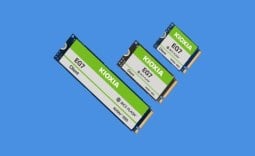
During a recent event with Lexar, a brand known for creating DRAM, SSDs, and memory cards, the company told Digital Foundry an interesting statistic about the current memory crisis and PC gamers. As we've been reporting for a while now, the AI-boom's insatiable appetite for all things memory and storage has led to an unprecedented situation in the consumer technology space. Basically, RAM and SSD prices have exponentially increased.

What this means for gamers looking to build their first gaming PC or upgrade is that they're essentially forced to opt for lower-capacity memory and storage options to keep overall costs from spiraling out of control. Case in point: just the other day, we reported that a 128GB DDR5 kit reached $4,200, whereas the same memory in a 32GB capacity costs $399.99. Still, that $400 price is much higher than it used to be, but it's the sort of "lesser of two evils" choice gamers and enthusiasts are having to make in today's climate.
And with that, Lexar told Digital Foundry that, when it comes to this sort of compromise, PC builders and gamers are more willing to choose smaller-capacity RAM or memory kits than smaller-capacity SSDs.
It's basing this conclusion on its move to "secure lower density flash memory for smaller capacity Micro SD cards, RAM kits and SSDs" in direct response to impending shortages and contract price increases. And with that, sales of Lexar 256GB and 512GB SSDs in recent months "only reached a fraction" of the expected sales.
From a gaming perspective, this makes sense, as even in 2026, a 1TB SSD is considered by many to be entry-level in an era when game installs for major releases often hit 100+ GB. According to Lexar, PC gamers are looking at older SSD technology (PCI Gen3, Gen4, etc.) and even older-style hard drives before opting for a lower-storage-capacity solution.