On one hand, you've got companies and CEOs talking about the current AI boom and era of computing, ushering in a new type of industry, factories, culture, and employment. On the other hand, you've got people and ex-CEOs talking about the current AI boom and fixation on creating data centers that draw more power than a town as the next bubble. Similar to the dot-com bubble and crash of 2000, or the financial crisis of 2008, the AI bubble will also burst one day.
In a recent interview with CNBC, ex-Intel CEO Pat Gelsinger falls into the "AI bubble" camp, but notes that the current AI race and expansion by the tech industry and companies everywhere won't end "for several years."
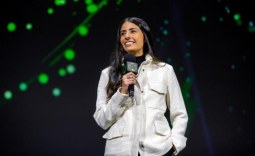
Popular Now: Xbox CEO Asha Sharma spends hours personally responding to support tickets"Of course we are," Pat Gelsinger responded when asked if we're currently in an AI bubble. "We're hyped, we're accelerating, we're putting enormous leverage into the system. That said, I don't see it ending for several years."
Although you won't find many dismissing the benefits or game-changing applications that generative AI and AI agents are bringing to the table, the primary concern surrounding the whole AI bubble scenario is economic. It is related to the sheer amount of money being invested and the eye-opening valuations of some AI companies. Pat Gelsinger, like NVIDIA CEO Jensen Huang, believes that the industry is shifting and the future is AI, but the material or financial benefits have yet to materialize.
"I do think we have an industry shift to AI, as Jensen has talked about, and I agree with this," Pat Gelsinger adds. "Businesses are yet to really start materially benefitting from it. We're displacing all of the internet and the service provider industries as we think about it today. We have a long way to go."
Essentially, as we're seeing an unprecedented AI-centric transformation in all industries that leverage technology, Pat Gelsinger believes it will take several years for the AI bubble to burst.