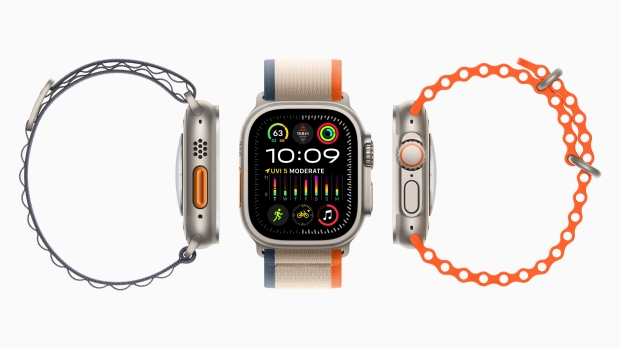




The Apple Watch had long been rumored to be planned to gain a new microLED display at some point and while that might still happen, a new report note claims that Apple's in-house team has been wound down in recent weeks which also means that there are being job cuts. It's reported that the cost and complexity of the development of the technology was simply too great, with Apple now having chosen to reorganize the teams that worked on engineering the displays. Several dozen roles in the United States and Asia are said to have been eliminated.
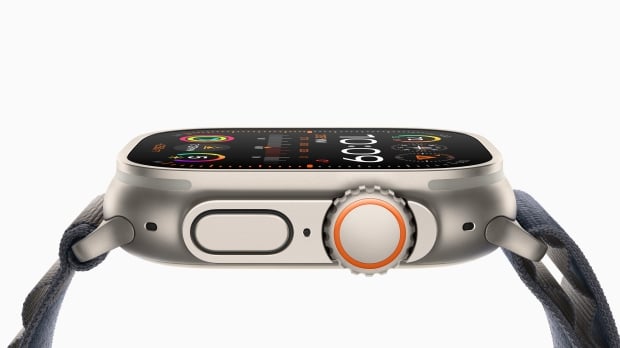
The move to microLED technology would have allowed Apple Watches to feature brighter and more vibrant displays, but that now seems to be a feature for much further down the line. There was also the assumption that microLED technology would expand to other products in Apple's lineup, but again, that now seems to have been put on the back burner.
Bloomberg's Mark Gurman reports that the move to cancel the project came around the same time that Apple also chose to ditch its plans to launch an autonomous car. It's said that, in both cases, Apple is giving affected people the chance to locate new jobs within the company while those who cannot find a new job will be laid off and provided severance.
Gurman says that microLED displays proved problematic for Apple, noting that manufacturing them required cutting-edge technology and a complicated LED transfer process. Apple did require partners to handle the mass production but it was the owner of the design and manufacturing process.
The decision by Apple to try and design its own display technology matches other plans that the company has been implementing for years that would see it take a larger control over the components that are in its products. Apple prefers to have full control over the design and production of its components and devices so as to be able to better control timelines and plans for future products. That can be clearly seen in the launch of M-series Mac chips as well as its attempts to try and launch its own in-house 5G modems following the purchase of Intel's modem business years ago. So far, it's been unable to make that happen.
What comes next for the Apple Watch is unclear, but we do expect Apple to announce new models later this year. The unveilings will take place alongside the new iPhone 16 and iPhone 16 Pro models.