




A group of scientists have managed to thaw frozen human brain tissue without causing any damage to the tissue itself.
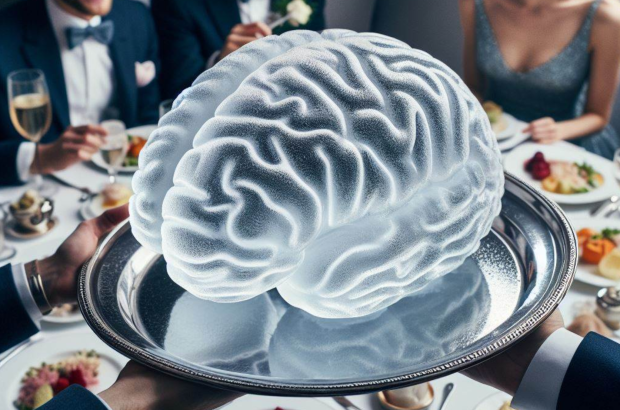
The new research is coming out of the Fudan University in Shanghai, China, where a team led by Zhicheng Shao grew self-organizing brain samples that are called organoids. These organoids are grown from embryonic stem cells and take three weeks to fully mature. Once fully mature the brain tissue has developed neurons and neural stem cells, which means they are ready for experimentation.
The team then took these brain tissue samples and combined them with various chemicals with the goal of discovering which chemical compound would enable the brain tissue to survive being frozen and still enable growth following its thawing. According to the team's results, which were published in the scientific journal Cell Reports Methods, the most successful combination of chemicals was methylcellulose, ethylene glycol, DMSO, and Y27632 - together, the solution is called MEDY.
The scientists believe the concoction somehow interferes with the internal communication of the cell that would typically initiate the dying process to begin. Notably, the team tested the survivability of the brain tissue over various timeframes such as 28 to 100 days. According to the results frozen brain tissue still displayed evidence of growth and function even after being frozen for 18 months.
- Read more: Sony sends strict warning letter to 700+ companies over AI training
- Read more: Microsoft nudges closer to releasing new AI features for Windows 11
- Read more: NASA officially releases video of the biggest solar flare in last 20 years
- Read more: Investigation launched into Facebook and Instagram over hurting children
![Photo of the $10 -PlayStation Store Gift Card [Digital Code]](https://m.media-amazon.com/images/I/41MT2s0Gm2L._SL160_.jpg)