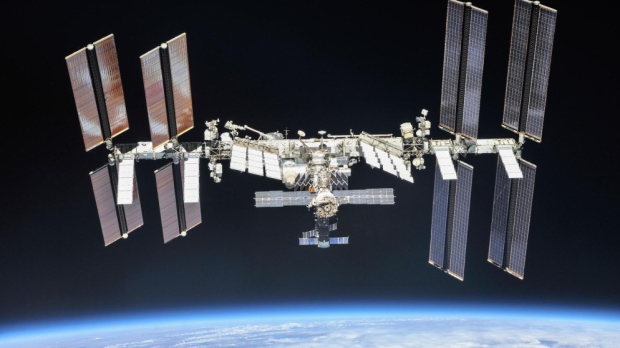
NASA has taken to its website to explain that bacteria aboard the International Space Station (ISS) have mutated and become distant from their Earth counterparts.
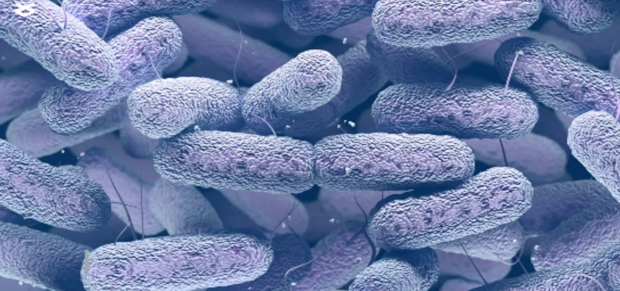
Principal Investigator Dr. Kasthuri Venkateswaran of NASA's Jet Propulsion Laboratory examined thirteen strains of E. bugandensis, a type of bacteria that on Earth is known to be drug-resistant. The findings were published in a new scientific paper, and according to NASA, the strains were isolated aboard the ISS for some time. During their time aboard the ISS these strains mutated, becoming genetically and functionally distant compared to their counterparts found on Earth.
Popular Now: PS5 emulator running GTA 5 shows GTA 6 might be possible on PC before official releaseAccording to the space agency, these strains of bacteria were able to live isolated with multiple other microorganisms, and, in some cases, potentially helped the other organisms survive.
So, what makes the ISS so different from Earth? NASA explains that anything aboard the ISS is subject to microgravity, radiation, and elevated carbon dioxide levels. This environment gives researchers the chance to study bacteria in an extreme and unique environment.
NASA writes that any microorganisms introduced to this environment will need to adapt to survive, giving researchers the opportunity to study the bacteria and hopefully develop insights that lead to effective treatments.
- Read more: Former CIA officer unveils UFOs have killed US military and cause brain damage
- Read more: FBI confirms Chinese hackers have infested US water and energy systems
- Read more: Microsoft's new Windows 11 'AI Explorer' feature set to anger AMD and Intel
- Read more: NASA is about to make Treasure Planet real with a solar sail mission
- Read more: AI discovers famous painting wasn't entirely painted by the credited artist
![Photo of the $10 -PlayStation Store Gift Card [Digital Code]](https://m.media-amazon.com/images/I/41MT2s0Gm2L._SL160_.jpg)