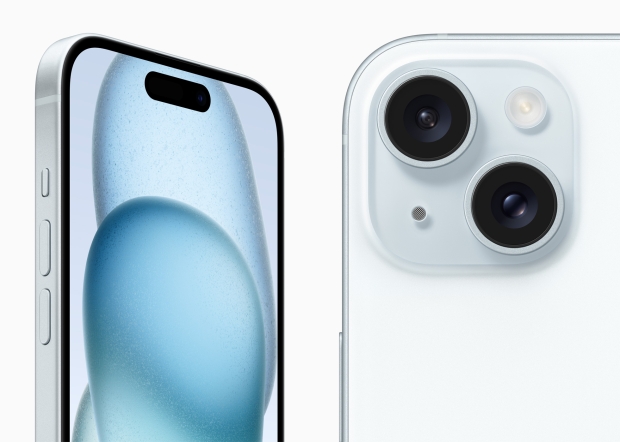




The iPhone 17 and iPhone 17 Plus aren't expected to be announced until 2025 and we still have the iPhone 16 and iPhone 16 Plus models to arrive before that. Now, a new report appears to have detailed what displays the new models will sport including new features that have previously only been available to those who bought the best models each year.
The report, via the supply chain watchers at The Elec, claims that Apple is set to bring LPTO OLED display technology to the non-Pro models for the first time in 2025. That move would mean that all four iPhone 17 and iPhone 17 Pro devices would use the same display technology, a first for Apple. Previously, the non-Pro models used different LPTS OLED displays as a means of differentiating between the lineups, but that now seems unlikely to be the case starting from 2025.
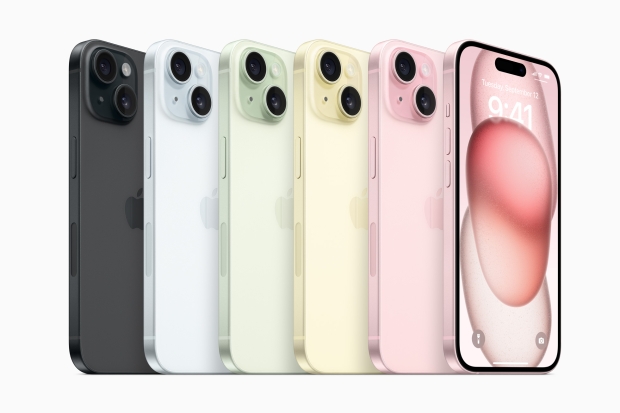
According to the report, Apple is already lining up display outfit BOE as the source of its new iPhone 17 and iPhone 17 Plus displays, and samples produced by the company have already been sent for inspection. However, should BOE fail to pass the quality tests required of it Apple will instead likely turn to other companies like LG Display and Samsung Display instead.
The use of LPTO OLED technology would allow the iPhone 17 and iPhone 17 Plus devices to offer ProMotion for the first time. The feature allows iPhones to change their display's refresh rate based on what is on the screen with a range from 1Hz to 120Hz. The higher refresh rate allows for smoother scrolling within apps and better motion within games, while the 1Hz refresh rate has a party trick of its own. Such a feature could allow Apple to bring the always-on display to the iPhone 17 and iPhone 17 Plus, a feature that has to date been limited to the Pro versions of the iPhone 14 and iPhone 15 lineups.
It's important to remember that the 2025 iPhones are of course around 18 months away from launch which means that Apple has plenty of time to change its mind in terms of display features and suppliers. However, the report suggests that Apple wants to use the new display technology and features as a key differentiator between the iPhone 16 and iPhone 17 models - likely in an attempt to give existing owners a reason to upgrade to the new models in 2025.