



Teams of researchers at NASA's Johnson Space Center located in Houston, Texas, have finally removed the lid containing the space agency's first collected asteroid samples.
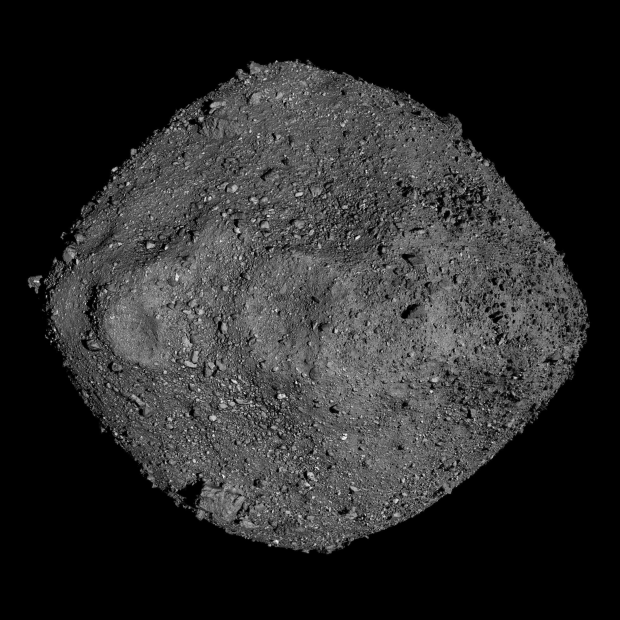
Back in October last year, NASA announced it was experiencing a problem with removing the lid from its asteroid sample collection mission officially dubbed OSIRIS-REx. While the mission was a success by almost all accounts, it was perhaps too much of a success, as NASA explained the lid to the Touch-and-Go Sample Acquisition Mechanism (TAGSAM), or the container with the asteroid samples inside, proved much harder to remove than initially anticipated.
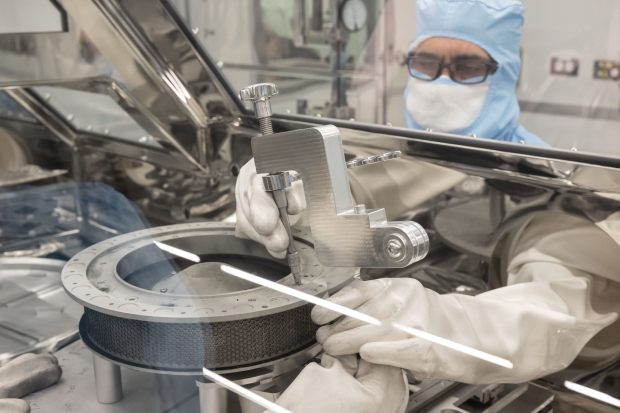
Since then, NASA has been working on a way to open the container, which it has seemingly now done. The space agency explained in a new blog post that teams developed new tools to open the lid, which are made out of "custom-fabricated bits made from a specific grade of surgical, non-magnetic stainless steel; the hardest metal approved for use in the pristine curation gloveboxes."
"Our engineers and scientists have worked tirelessly behind the scenes for months to not only process the more than 70 grams of material we were able to access previously, but also design, develop, and test new tools that allowed us to move past this hurdle. The innovation and dedication of this team has been remarkable. We are all excited to see the remaining treasure OSIRIS-REx holds," said Eileen Stansbery, division chief for ARES (Astromaterials Research and Exploration Science) at Johnson
The gloveboxes NASA is referencing can be seen above. These are designed to prevent any contamination of both the samples and of Earth. So, what's inside the container? More samples of asteroid Bennu, of course! But now the lid is open, NASA can get underway in its analysis process, which it says will begin with ultra-high-resolution pictures of the samples, then the weighing of the samples to determine the total weight of samples obtained by the mission.
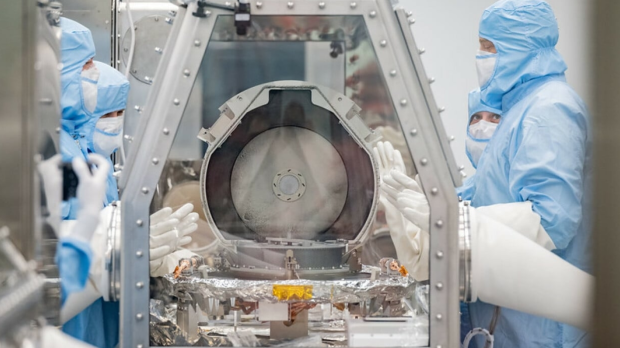
"The remainder of the bulk sample will be fully visible after a few additional disassembly steps, at which point image specialists will take ultra-high-resolution pictures of the sample while it is still inside the TAGSAM head. This portion of the sample will then be removed and weighed, and the team will be able to determine the total mass of Bennu material captured by the mission," writes NASA
![Photo of the $25 PlayStation Store Gift Card [Digital Code]](https://m.media-amazon.com/images/I/41cEZpeUA1L._SL160_.jpg)