



NVIDIA's family of AI GPUs are big business... big, big business... so much so that they're sold out into 2024, and prices are skyrocketing because companies small and large want the best AI GPUs for their workloads.
But now, the "Google" of South Korea, Naver, has switched over from using GPUs to CPUs for some of its AI workloads. Naver was already a customer of NVIDIA, but with issues in the supply chain and prices continuing to rise, the company started using Intel CPUs for the AI platform, looking after fraud detection. This is the first time we've seen a company switch from using AI GPUs from NVIDIA to any CPU for artificial intelligence workloads.
Popular Now: Linus Tech Tips leaks Steam Frame first impressions, and Valve may be working on native Half-Life: Alyx supportIn a new report from The Korea Economy Daily, Naver has replaced NVIDIA GPUs with Intel CPUs for the AI workloads used in its Naver Place map platform. Until now, Naver used NVIDIA AI GPUs to run an AI platform that separated fake listings from real ones in response to user queries. The higher prices and long wait times forced Naver to switch to Intel CPUs, according to sources of The Korean Economy Daily.
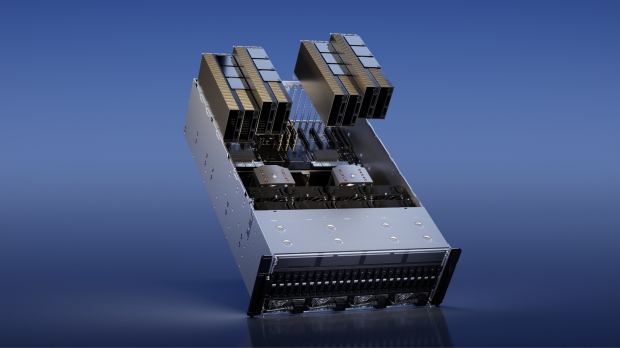
The sources explain that the price of AI accelerators from NVIDIA has gone from 40 million Korean Won (around $30,000 USD or so) to 80 million Korean Won (around $60,000 USD or so). But it's not just the price skyrocketing, it's the lead times on actually getting the AI GPUs in their hands. This has blown out to around 1 year, which would be extremely hard if you want to be able to use AI in your workloads NOW.
One of the biggest issues is TSMC: Yeah, that's right... one of the major issues in NVIDIA's AI GPU shipments is one of the final stages of product development, which TSMC is holding back, is the packaging process. Taiwanese outlets report that TSMC has increased its orders for packaging equipment by up to 30% because of the high demand for NVIDIA AI GPUs. The equipment itself also has lead times on it, so shortages in the industry are taking place until this is cleared up.
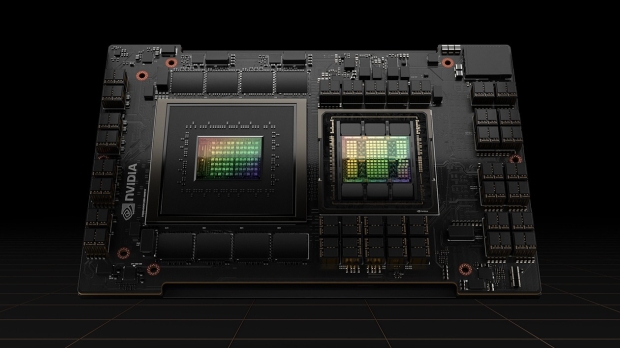
TSMC's packaging suppliers have entered a "hot production" which should see production capacity doubling for AI GPUs, with important interposers for the CoWoS technology (the packaging process) in a UMC facility in Singapore. This facility reportedly has around 3000 pieces, but is expected to double to at least 6000 pieces, and on top of that TSMC could outsource some of its orders to ASE if production continues to be strained.
Naver had reportedly tested using Intel CPUs for its AI workloads for around a month before it switched over from NVIDIA AI GPUs to Intel CPUs, while the South Korean company is already using Intel Sapphire Rapids CPUs to upgrade its location and search products computing infrastructure.