The US Department of Commerce has announced new plans to prevent more AI GPUs from shipping to China, with the Biden administration implementing new rules to close up some of those loopholes after the US sanctions on China were placed on AI chips last year.
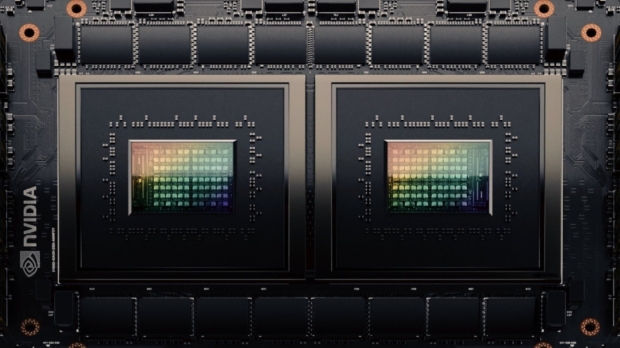
The initial AI GPUs that were banned were the NVIDIA H100, the number one choice for any firm working on AI, while Chinese companies weren't restricted from buying cut-down NVIDIA GPUs in the form of the H800 and A800 AI GPUs. The US restrictions didn't apply to these GPUs, but the new rules are banning those lower-end AI GPUs as well.
NVIDIA won't be the only company affected, but Intel and AMD will feel a little pain from the latest additions to the US sanctions on AI GPUs shipping into China. Not only that, but senior Biden administration officials have eluded to plans to extend the list of semiconductor manufacturing equipment subject to US restrictions. Gaming consoles, smartphones, and other consumer products with high-end chips inside of them will remain unaffected by US sanctions.
U.S. Commerce Secretary Gina Raimondo said: "The updates are specifically designed to control access to computing power, which will significantly slow the PRC's development of next-generation frontier model, and could be leveraged in ways that threaten the U.S. and our allies, especially because they could be used for military uses and modernization". Raimondo added: "The fact is China, even after the update of this rule, will import hundreds of billions of dollars of semiconductors from the United States".
An NVIDIA spokesperson told CNBC: "We comply with all applicable regulations while working to provide products that support thousands of applications across many different industries. Given the demand worldwide for our products, we don't expect a near-term meaningful impact on our financial results".