









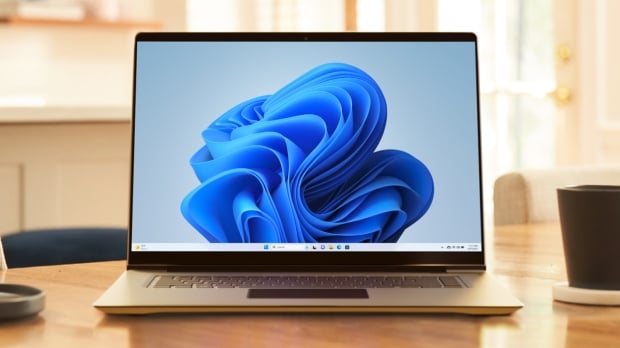




Microsoft fixed 132 vulnerabilities in its latest releases for Patch Tuesday this week, including six zero-day flaws.
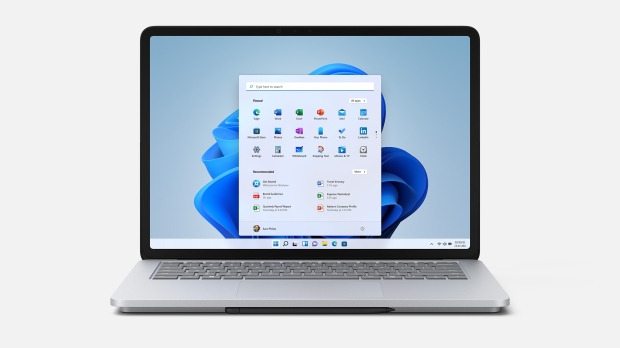
Those fixes spanned the entirety of its software ecosystem, meaning Windows 11 and Windows 10, as well as the Office apps and various other Microsoft products.
As mentioned, six were zero-day vulnerabilities, meaning they became public knowledge before a fix was issued, and were exploited as such. But the good news is that the cures are here with these new patches.
For Windows 11, that means the latest KB5028185 update (which comes with Moment 3 features, as you may be aware).
In total, nine security flaws were rated 'critical', with 122 rated as 'important,' and the remaining single vulnerability wasn't classified for severity (it wasn't much of a threat, in other words).
The most common vulnerabilities were Remote Code Execution (37 of them) and Elevation of Privilege exploits (33).
TechSpot, which highlighted the fixes, points out that one of the most high-profile affairs cured here is CVE-2023-36884, a Remote Code Execution flaw in Windows and Office.
That one is leveraged via a crafted Word document that tries to trick the user into opening a malicious file, and apparently was employed in targeted attacks against authorities in the US and Europe, allegedly by a Russian hacker syndicate.
Recently, Microsoft has also been strengthening Windows 11's defenses against hackers by introducing Rust to the kernel, as we covered recently - and the first real step has just been taken with Rust in the latest preview build in the Canary channel.
Microsoft's eventual goal is to shore up the security of Windows 11 with 'significant security updates' as time rolls on. Better security has been one of the main aims with the OS from the start, hence the system requirement for TPM (which has not been popular in some quarters, but undeniably toughens things up).


 Microsoft threatened a security researcher with criminal charges, and the cybersecurity community isn't having it
 Google's AI patched more Chrome bugs in two releases than it had in two years, including a 13-year-old flaw
 Microsoft fixes Windows 11 bug that means interacting with OneDrive files is frustratingly slow
 Microsoft warns Windows 11 23H2 is about to be killed off - so you've got to upgrade to 24H2
 Play Call of Duty: Black Ops 6? Windows 11's latest patch reportedly has a game-breaking bug
 Giveaway: 12 Winners Will Score MONTECH NX400 and NX600 CPU Coolers
 Assassin's Creed Odyssey becomes the highest-rated entry in the franchise, thanks to Nolan's 'The Odyssey'
 PlayStation gamers' planned week-long 'PS Blackout' begins today
 Nintendo Switch 2 will rise to £419.99 in the UK, starting September 1
 One retailer says 91% of attempts to buy DDR5 memory are coming from bots
 Jensen Huang signed NVIDIA RTX Pro 6000 graphics card sells for $57,450 at auction
 GTA 6 leaks have reportedly led to a morale drop at Rockstar, with Netflix frustrated as well
 The Blood of Dawnwalker won't hit 60 FPS on any console, PS5 Pro tops out at 40 FPS
 AMD claws back ground against Intel in the CPU market, climbs to 35% share in desktop CPUs
 Redditor receives not one but TWO empty boxes of Ryzen 5 9600X from Amazon
 Xbox Series X25 Limited Edition Console is priced at $900, arrives November 2026
 Cooler Master MasterFan A120 Fan Review
 GIGABYTE MO27Q2A Gaming Monitor Review: 1440p, 280Hz, and QD-OLED is a winning combination
 Cooler Master V8 ACE 3DHP BLACK CPU Cooler Review
 ASUS ROG Strix XG129C Review: A $199 Gaming Monitor You Don't Play Games On
 Cooler Master HAF II 500 Mid-Tower Chassis Review
 Corsair HS35 v3 Wireless Gaming Headset Review - An Affordable Winner
 D-Link F518 5G Wi‑Fi 6 AX1800 Mobile Hotspot Review: All-Day Mobile Hotspot
 Bose Lifestyle Ultra Speaker Review - Impressively Detailed Room-Filling Sound
 MSI Z890 Gaming Plus WIFI6E Review - Z890 for under $200
 Mortal Kombat (1995) 4K Ultra HD Blu-ray Review
 Using Multiple Monitors? Change these Windows settings for a Better Experience
 Windows Sandbox is The Windows Security Feature Most People Never Use
 I ditched the Windows 11 context menu for this open-source tool, and here's why
 Windows 11 may be encrypting your drive already, and I checked where my recovery key went
 GIGABYTE's 40 Days of INFINITY celebrates 40 Years of Innovation with stunning GeForce RTX graphics cards and rewards
 I swapped File Explorer for this free file manager and finally got the layout I wanted
 How to tell if someone has been using your Windows PC without your permission
 6 Task Manager tips for troubleshooting Windows performance problems
 ASUS ROG's 20th Anniversary Line-up of Premium PC Gaming Gear has Arrived - Here's Everything You Need to Know
 Six File Explorer tips every Windows user should know