












Scientists for decades have predicted lunar cold traps, but with the publishing of new research in the AGU journal Geophysical Research Letters, their presence on the moon has finally been confirmed.
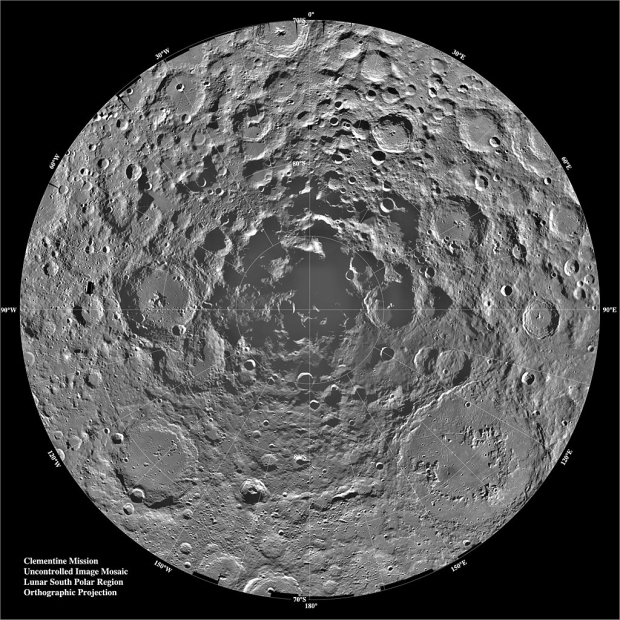
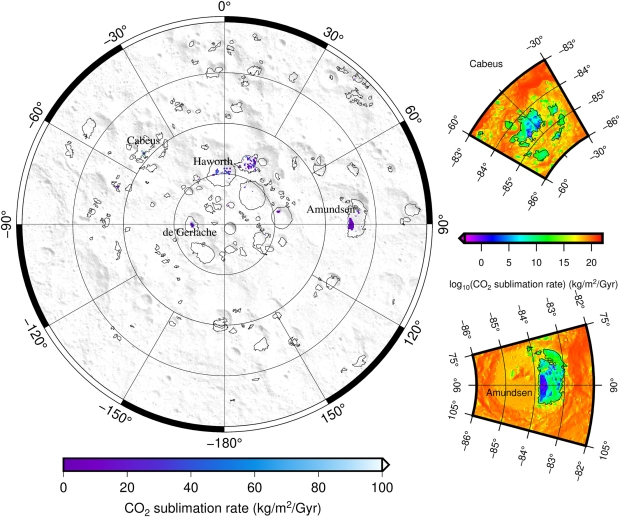
These cold traps exist in permanently shadowed regions of the moon, such as some craters, where the temperature falls below 60 degrees Kelvin, approximately -352 degrees Fahrenheit. These areas have the potential for carbon dioxide to freeze and become trapped, though the presence of frozen carbon dioxide in these traps is not yet confirmed.
Researchers analyzed NASA's Lunar Reconnaissance Orbiter data to identify and map these carbon dioxide cold traps. Aboard the spacecraft is the Diviner Lunar Radiometer Experiment (DLRE), which has collected temperature data from the moon over the ongoing 12-year mission of the spacecraft.
Many of these cold traps are located around the lunar south pole. The total identified area of carbon dioxide cold traps is equal to 204 square kilometers, with an 82 square kilometer area of cold traps found in the Amundsen Crater.
"These should be high-priority sites to target for future landed missions. This sort of pinpoints where you might go on the lunar surface to answer some of these big questions about volatiles on the moon and their delivery from elsewhere in the solar system," said Paul Hayne, a planetary scientist from the University of Colorado Boulder, who was not involved in the study.
The implications of finding solid carbon dioxide ice on the moon are numerous. In the future, carbon could be extracted to be used in material manufacturing based on the moon, along with oxygen for breathing, combustion, and many other things. Harvesting and utilizing materials like carbon dioxide would be critical in establishing a long-term base on the moon. It would also help inform us further about the origin of water and other substances on the moon.
You can read more from the study here.


 Twitch opts streamers into gen AI training by default, faces harsh backlash
 Sean Murray still plays the 2016 launch version of No Man's Sky
 China's YMTC has climbed to third place in global NAND flash shipments
 $100 GTA 6 version makes up 89% of pre-orders, analysts estimate
 HWiNFO's latest update quietly confirms Intel is working on Razor Lake-AX
 Nintendo puts Switch 2 price increase warnings on store demo kiosks ahead of September 1 hike
 GIGABYTE launches two new B450 motherboards as demand for AM4 stays high in 2026
 Microsoft finally makes up its mind and unifies Copilot features into one big app
 PS5 suffers from severe overheating after liquid metal eats into the heatsink
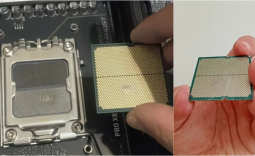 AMD Ryzen 7 7800X3D CPU burns and swells even after using AMD's updated BIOS
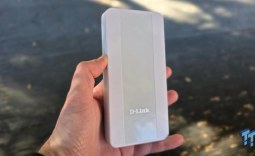 D-Link F518 5G Wi‑Fi 6 AX1800 Mobile Hotspot Review: All-Day Mobile Hotspot
 Bose Lifestyle Ultra Speaker Review - Impressively Detailed Room-Filling Sound
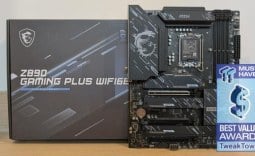 MSI Z890 Gaming Plus WIFI6E Review - Z890 for under $200
 Mortal Kombat (1995) 4K Ultra HD Blu-ray Review
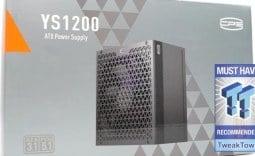 CPS PCCOOLER YS1200 ATX 3.1 80 PLUS Gold PSU Review
 ASRock X870E Taichi White Review: a premium AM5 motherboard with 10G LAN and WiFi 7
 Asetek Initium Pedal Modular Upgrades Review
 Thinkware U3000 Pro Review - Smart Dashcam with Wi-Fi quirks
 Montech TG3 Mid-Tower Chassis Review
 ASUS ROG Strix X870E-A Gaming WiFI7 Neo Review - A New Enticing Option
 I ditched the Windows 11 context menu for this open-source tool, and here's why
 Windows 11 may be encrypting your drive already, and I checked where my recovery key went
 GIGABYTE's 40 Days of INFINITY celebrates 40 Years of Innovation with stunning GeForce RTX graphics cards and rewards
 I swapped File Explorer for this free file manager and finally got the layout I wanted
 How to tell if someone has been using your Windows PC without your permission
 6 Task Manager tips for troubleshooting Windows performance problems
 ASUS ROG's 20th Anniversary Line-up of Premium PC Gaming Gear has Arrived - Here's Everything You Need to Know
 Six File Explorer tips every Windows user should know
 I switched my PC to encrypted DNS in Windows 11, and browsing felt more private
 Printer Not Working in Windows? How to fix detection, print queues and drivers