

The rouge AV companies, like Anti-VirusXP and 360, use pop-up messages and fraudulent websites to trick people into paying for security they do not need.
These companies go to great lengths to emulate the Windows security application and popular Norton products. Unsuspecting users then download the full malware and are led to believe they need to pay to get rid of malware they do not have (other than the fake anti-virus app). In most cases once the consumer gives their credit card information it is passed on to others for identity theft. In some they simply take the money and leave the user with an infected system.
Read more here.

There was a significant increase in rogue security software, which falsely informs people they need to buy security software and instead either does nothing or steals personal information, the Microsoft Security Intelligence Report found.
Two rogue malware families--Win32/FakeXPA and Win32/FakeSecSen-- were detected on more than 1.5 million computers, pushing them into the list of top 10 threats in the second half of 2008. One rogue application, dubbed Win32/Renos, was found on 4.4 million computers, showing growth of nearly 70 percent over the first half of the year, according to the report issued twice a year.
Microsoft and the Attorney General's office in Washington state filed a handful of lawsuits against alleged scareware companies last year.


 Take-Two layoffs: Over 570 workers affected, multiple games cancelled
 Intel uses in-house AI tools to optimize SoC layouts from 6 weeks, to just 'minutes'
 Sony's upgraded PS5 Pro is real, and developers are getting ready for it right now
 Intel rumored to launch cut-down AI chips for China, just like NVIDIA did with its AI GPUs
 NVIDIA A100 AI GPU in beefed-up, higher-spec form found in China: more specs than 'normal' A100
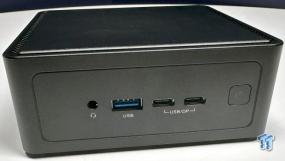 ASRock NUCBOX-155H Mini PC Review
 NuPhy Air96 V2 Wireless Mechanical Keyboard Review
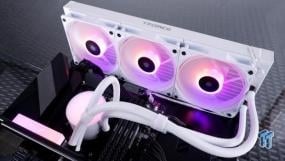 TEAM T-FORCE Siren DUO360 RGB Liquid CPU Cooler Review
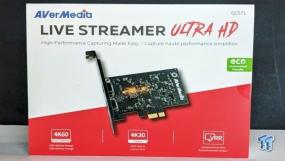 AVerMedia Live Streamer ULTRA HD Review
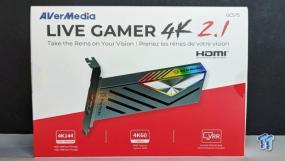 AVerMedia Live Gamer 4K 2.1 Review
 XPG Invader X Mid-Tower Chassis Review
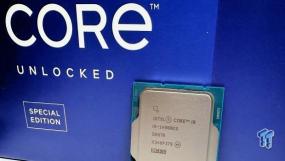 Intel Core i9-14900KS CPU Review
 Arbiter Polar 65 Magnetic Gaming Keyboard Review
 ASUS ROG Falchion RX Low Profile Keyboard Review
 MSI MPG 321URX QD-OLED Gaming Monitor Review - 4K gaming at its best
 Everything you need to know about the latest ASUS NUC Mini PCs - NUC 14 Pro and ROG NUC
 How to Overclock Your GPU and Boost Your PC Gaming with ASUS GPU Tweak III
 ASUS's AMD Radeon RX 7000 Series GPU lineup has something for every gamer
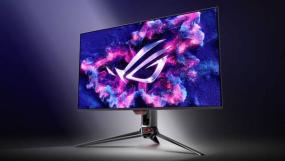 ASUS OLED Premium Care defends the ROG Swift OLED PG32UCDM gaming monitor from burn-in
 Patriot Viper Xtreme 5 Engineering Prototype 48GB Dual-Channel Memory Kit Preview